Q4 2026
Article
Deeptech: Europa forscht exzellent, transferiert und skaliert aber zu wenig
Global Deep Tech Report 2026: Europa im Vergleich. VentureCapital Magazin 07/2026, pp. 66-67.
Global Data on Deep Tech Ventures
The Deep Tech Lab maps where deep tech ventures emerge, how they are financed and what drives their success.
deep tech ventures founded 2015 to 2025
countries
deep tech industries
founder profiles
Publications and talks
Q4 2026
Global Deep Tech Report 2026: Europa im Vergleich. VentureCapital Magazin 07/2026, pp. 66-67.
November 2026
German British Conference, Oxford, 27 to 29 November 2026.
Definition and methodology
Research and practice use many different definitions of deep tech. We reviewed definitions from leading journals, among them Science, Research Policy, Industrial and Corporate Change, the Journal of Organization Design and The Journal of Technology Transfer, and condensed them into three criteria.
The invention originates in a substantial scientific discovery or a meaningful engineering advance that pushes the knowledge frontier.
The invention is physically embodied, "atoms rather than bits": physical products, novel materials, devices or asset-heavy industrial processes.
The technology provides a foundational capability on which multiple downstream applications can be built.
Each criterion is scored from 0 to 2. A venture counts as deep tech if it reaches at least 1 on every criterion. The scoring is carried out by large language models on company descriptions, with the supporting evidence stored for each score.
Each venture is assigned to exactly one of ten industries, based on the industry categories in Dealroom and PitchBook. Defense and quantum ventures are identified via their company descriptions. Where several industries apply, the more specific one is used (quantum and defense first, broad manufacturing last). The remaining 658 ventures fit none of the ten and are shown as Other deep tech.
5,898 ventures
Healthcare, Health, Biotech, Medical devices
2,194 ventures
Energy, Cleantech, Climate tech
1,402 ventures
Semiconductors
1,178 ventures
Robotics, Drones
703 ventures
Agtech, Foodtech, Food
531 ventures
Space technology
481 ventures
Defense, Dual-use, Military, Counter-drone
353 ventures
Advanced manufacturing, 3D printing, Manufacturing equipment
283 ventures
Quantum computing, Quantum sensing, Quantum communication
222 ventures
Materials, Chemicals, Nanotechnology
658 ventures
Deep tech ventures outside the ten industries
potential deep tech ventures
founded 2015-2025, from Dealroom (deep tech tag) and PitchBook (ventures with patents)unique ventures
after removing duplicates across both sourcesdeep tech ventures
after applying the three criteriaSources. Venture, location and funding data are collected and compiled from Dealroom and PitchBook. Patent documents come from the European Patent Office and are matched to the ventures by applicant name. All figures on this page are preliminary and conservative lower bounds.
The dataset
Where deep tech ventures are located, in which industries they operate and how strongly they rely on patents.
Top 60 cities. Drag and zoom to explore, hover for details.
First data findings
How leading deep tech hubs compare within selected industries.
Munich (metro)
20 ventures$3.8bn capital raisedLondon
20 ventures$387M capital raisedBased on: Space technology, Defense, Dual-use, Military, Counter-drone
Munich (metro)
32 ventures$660M capital raisedLondon
123 ventures$4.5bn capital raisedBased on: Healthcare, Health, Biotech, Medical devices
Munich (metro)
10 ventures$82M capital raisedLondon
6 ventures$120M capital raisedBased on: Quantum computing, Quantum sensing, Quantum communication
Munich (metro)
15 ventures$364M capital raisedLondon
29 ventures$1.5bn capital raisedBased on: Robotics, Drones
Munich (metro)
21 ventures$590M capital raisedLondon
71 ventures$1.2bn capital raisedBased on: Energy, Cleantech, Climate tech
Capital = total funding raised (USD). Munich includes surrounding municipalities, Greater Boston = Boston metro area incl. Cambridge and the Route 128 corridor, SF Bay Area includes Silicon Valley. Space & Defense counts each venture once.
Our study in a nutshell
How we address it: Location, founding year and industry of 13,903 deep tech ventures in 75 countries, mapped city by city.
How we address it: Education and career histories of 12,035 founders from verified LinkedIn profiles, covering 7,312 ventures.
How we address it: Funding histories of 11,160 ventures from Dealroom and PitchBook, compared across regions and industries.
How we address it: 78.2k patent families from the European Patent Office, each matched to the venture that holds it.
Work with us
We are happy to collaborate with universities, ecosystems and other partners from research and practice.
The Team

Prof. Dr. Isabell M. Welpe is the Chair of Strategy and Organization at the Technical University of Munich. Her research focuses on leadership, the future of work, the impact of digitalization on organizations and companies, and strategic innovation.
welpe@tum.de
PD Dr. Theresa Treffers is a Privatdozentin (associate professor) at the Chair of Strategy and Organization. Her research interests lie at the intersection of business and psychology concepts in the areas of entrepreneurship, start-ups, DEI (Diversity, Equity & Inclusion), as well as strategy and innovation.
theresa.treffers@tum.de
Philipp Schaffer is a doctoral candidate at the Chair of Strategy and Organization. His research focuses on deep tech entrepreneurship.
philipp.schaffer@tum.de
Laura Stitzl is a doctoral candidate at the Chair of Strategy and Organization. Her research focuses on deep tech entrepreneurship.
Laura.stitzl@tum.de
Philipp Lemanczyk is a doctoral candidate at the Chair of Strategy and Organization. His research focuses on Deep Tech entrepreneurship and AI usage in corporate organizations.
philipp.lemanczyk@tum.deOur Review Board
The following scholars from universities around the world serve as members of the TUM Deep Tech Lab Review Board. They review selected results and act as sparring partners for our methodology and data.

TUM School of Management
University of Bristol

University of Cambridge
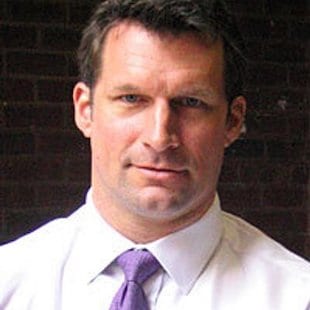
UC Berkeley

University of Cambridge

RWTH Aachen

Imperial College London

MIT Sloan
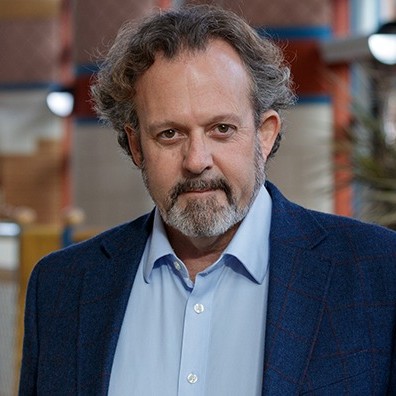
University of Cambridge

Imperial College London

Imperial College London

Stanford University

Harvard Business School
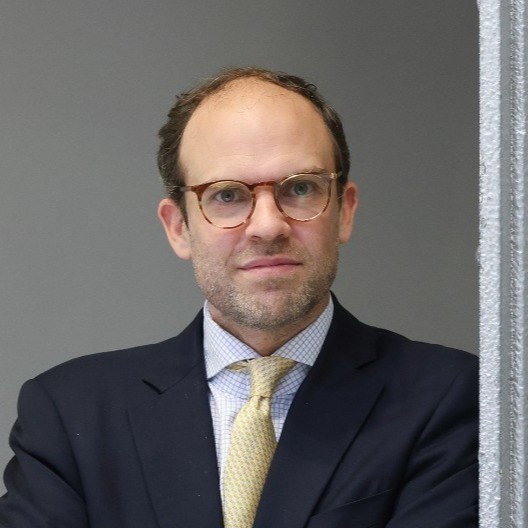
University of Oxford

TUM Venture Labs

University of Cambridge

EPFL

University of Oxford

UCL
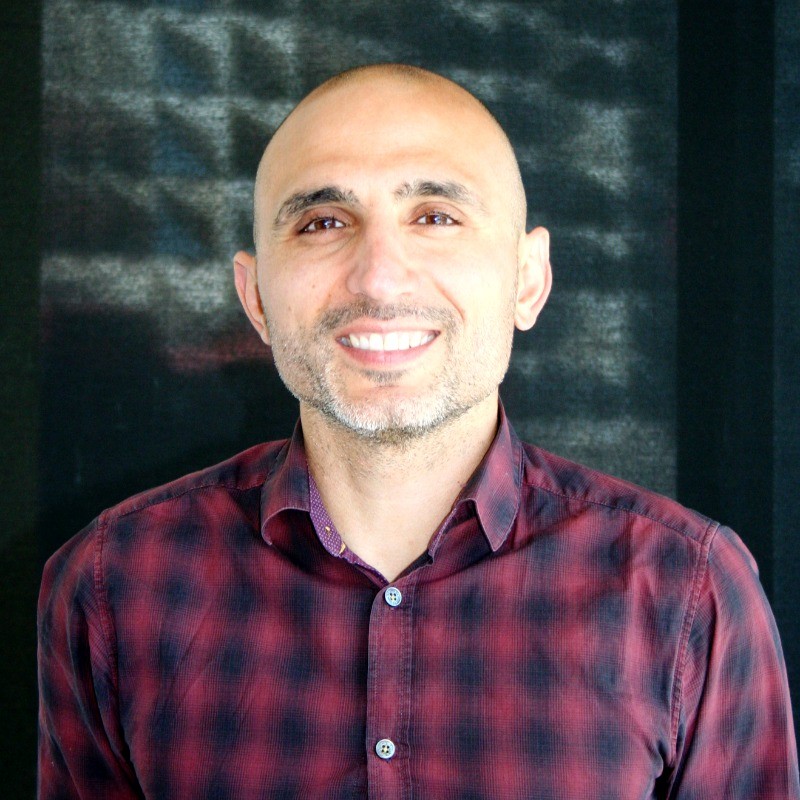
University of Queensland
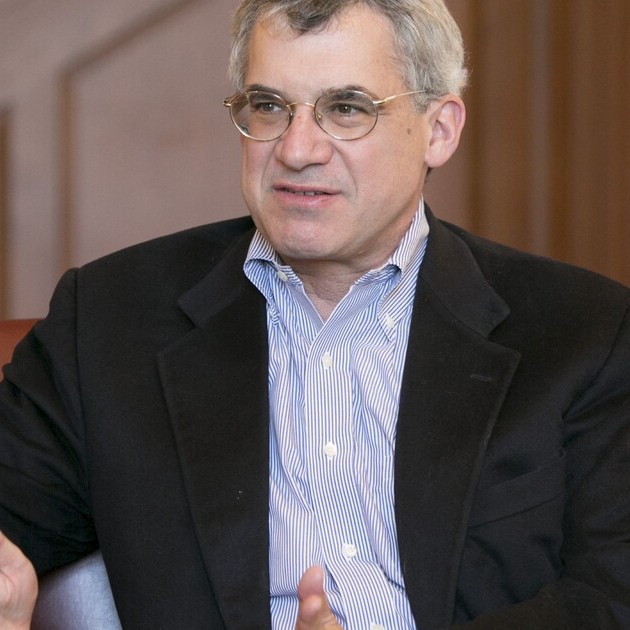
Harvard Business School

King's College London

Imperial College London

Stanford Biodesign
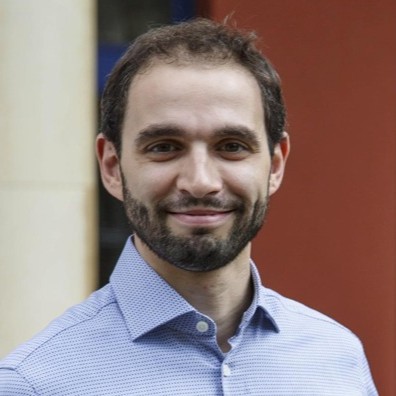
University of Cambridge

MIT Media Lab

University of Cambridge

University of Cambridge

LSE

Deep Tech Momentum

Stanford Biodesign
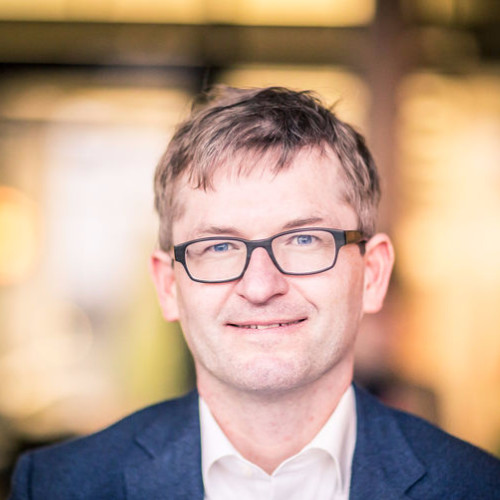
UnternehmerTUM

NTU Singapore
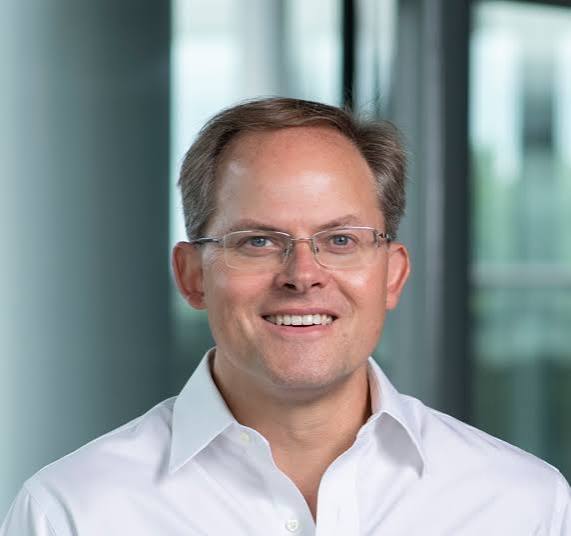
UCLA Anderson
USC Marshall

University of Cambridge

University of Vienna

Brunel University London

In collaboration with researchers from